About Wroxham Home Farms
Farm policy
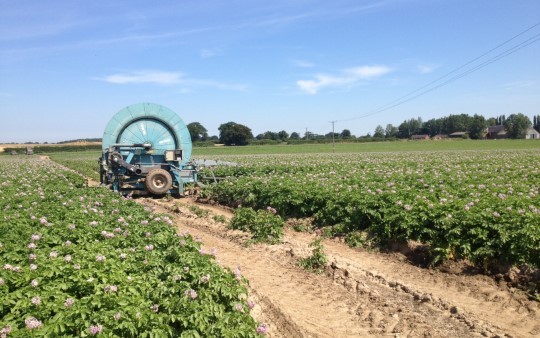
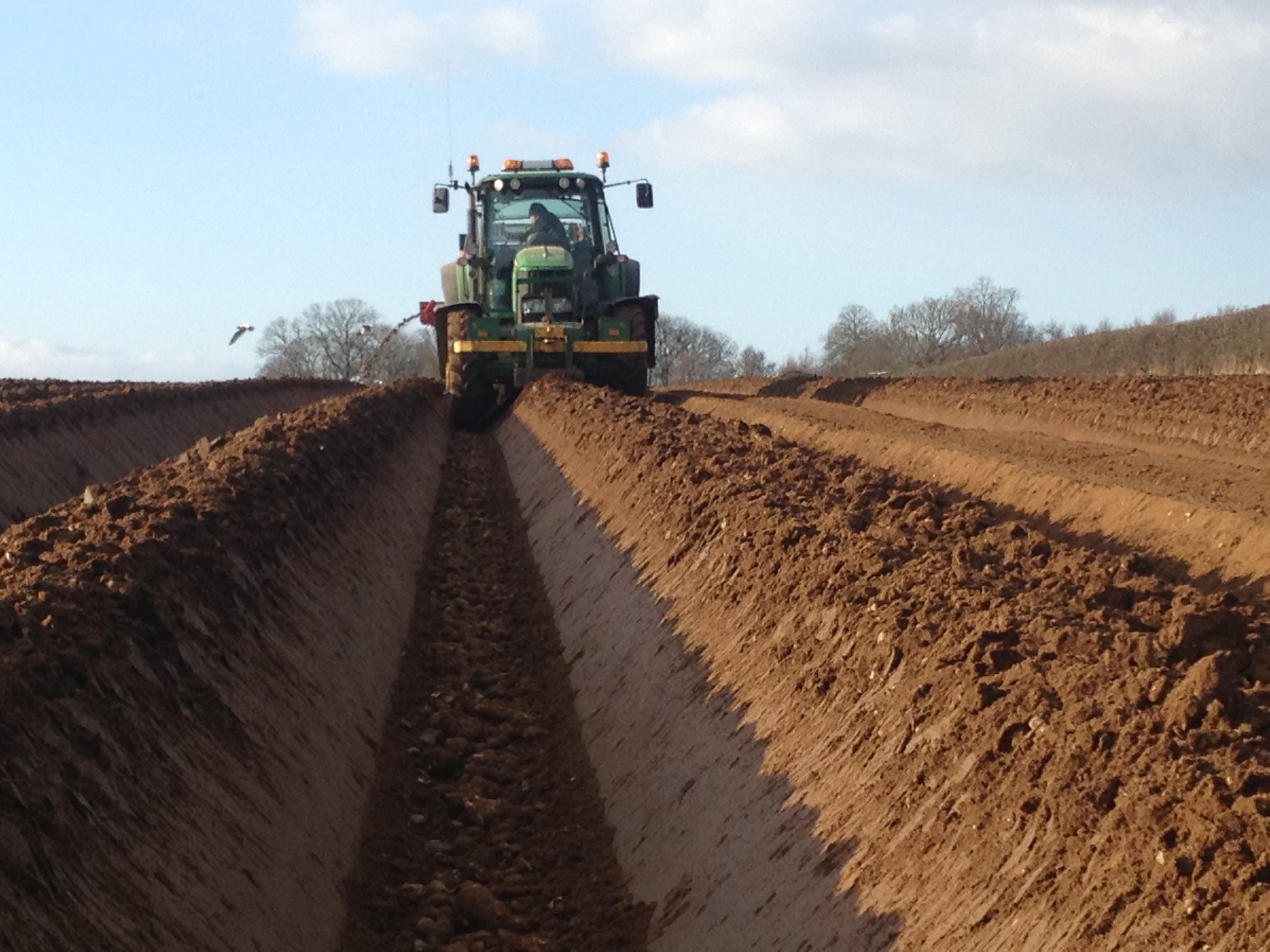
We intend to grow only things that we do well, and return a profit on. The arable land would be described as abrasive, course sandy loam. Our crop rotation is based around crisping potatoes, sugar beet, malting barley, wheat and oilseed rape. Potato rotation is at least a “1 in 6”, beet a “1 in 3”. We also grow winter beans, white millet, forage maize, mustard, and dwarf beans. Land is also let out for outdoor pigs, as well as carrots and parsnips.
Agricultural Contracting
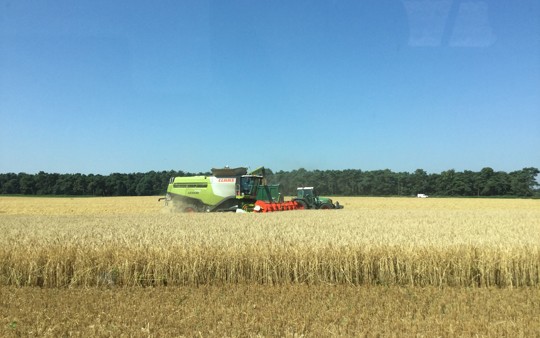
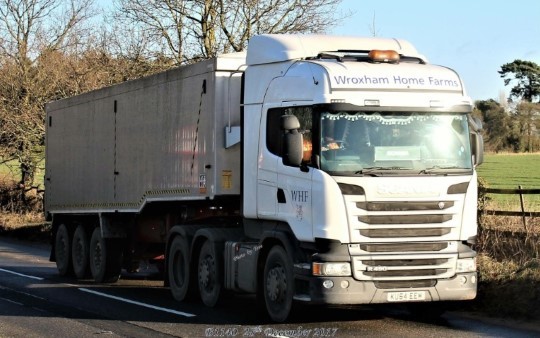
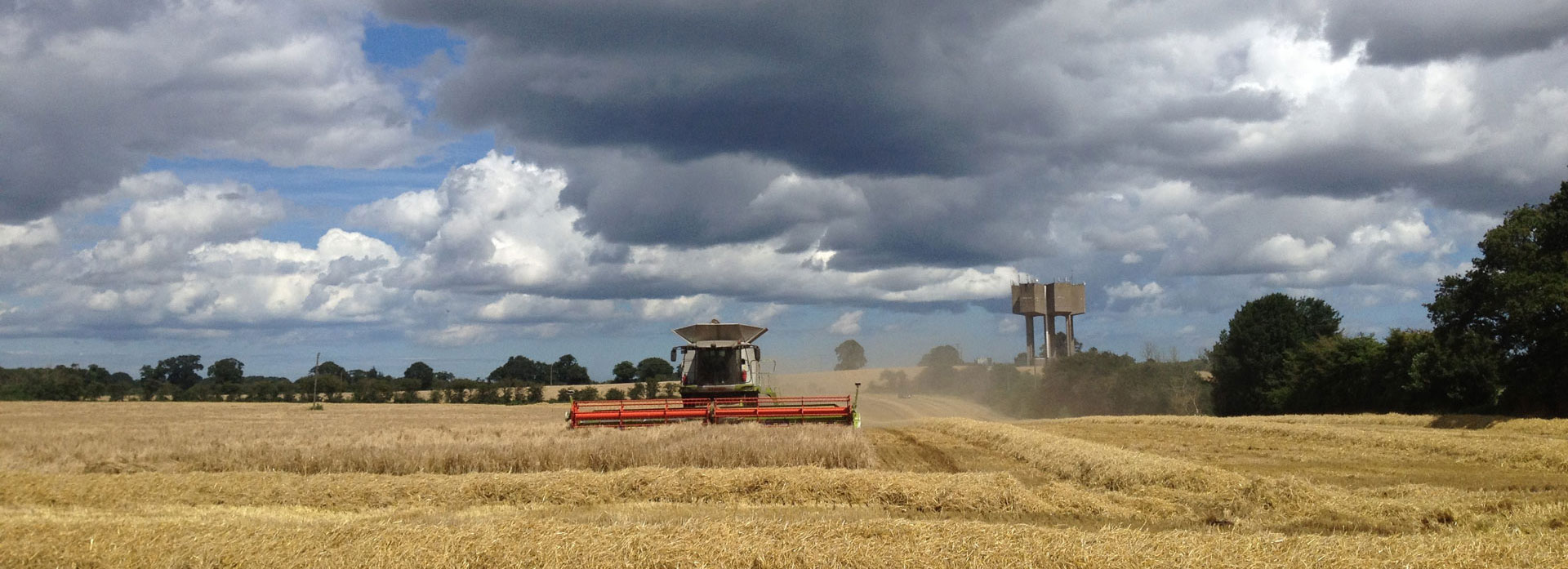
Our healthy contracting arm specialises in combining, sugar beet harvesting, drilling, fertiliser spreading, and haulage (both sugar beet and grain).
Our Staff
The farm is run by manager, Andrew Murdo, and nine members of staff on a full time basis, including a student from Easton Agricultural College. Administration is in the hands of a competent team at Home Farm, headed by Sandy Key.
A continuous training programme is in place for all staff. The office has one full time and two part time administrators and we have a designated member of staff who deals with health and safety issues and worker welfare needs.
Cropping and farm facilities
The predominantly light land on the farm is cropped with winter and spring barley, the qualities of which the estate has become renowned for. Other crops include: crisping potatoes, sugar beet, oil seed rape, both feed and dwarf beans, winter wheat and carrots.
The farm possesses very significant irrigation licences totalling 445600m³, extracted from bore holes, rivers and reservoirs. Recent capital expenditure includes updating both cereal drying and storage facilities, capable of holding 1,250 tonnes of “long term” cereal and 4,000 tonnes "short term". Specialist potato storage capacity is 1,800 tonnes split between 1,000 tonnes ambient and 800 tonnes refrigerated box stores. In addition, loading areas have been increased and a large new general purpose building has recently been constructed for short term storage.
Environmental Conservation
With large important conservation areas in the centre of the Norfolk Broads on the Estate, it will be no surprise that great measures are taken to preserve the woodland, marsh and broad areas which are host to several rare species. The Estate also owns a number of Broads including the 80 acre Wroxham Broad.
180 acres of wetland are in a Natural England Environmentally Sensitive Areas (ESA) agreement, either grazed by neighbour’s cattle or topped in late summer/early autumn as conditions allow.
We are also now in our 4th year of Entry Level Stewardship (ELS), gaining points from hedgerows, uncultivated arable margins and un-cropped field corners. And we are currently undertaking a dyke maintenance programme with Natural England, to try and aid water movement on our marsh land.
Other facilities
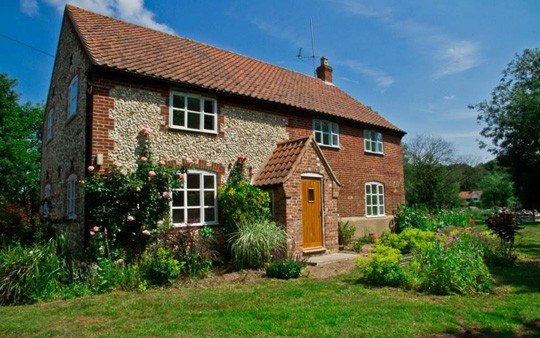
The estate has in the region of 32 houses, from 2 bedroom semis to large farmhouses, all maintained to a high standard, and attract ‘sensible’ rental income. Farm staff are encouraged and rewarded to buy their own properties. A partnership has been entered into on our irrigation reservoirs, and a carp lake and match lake have been created to add income to an existing asset, with another lake also rented out to a local fishing group.